
UI/UX Design Trends That Shape the Future
- 20 Apr 2026
- By Arman Raya
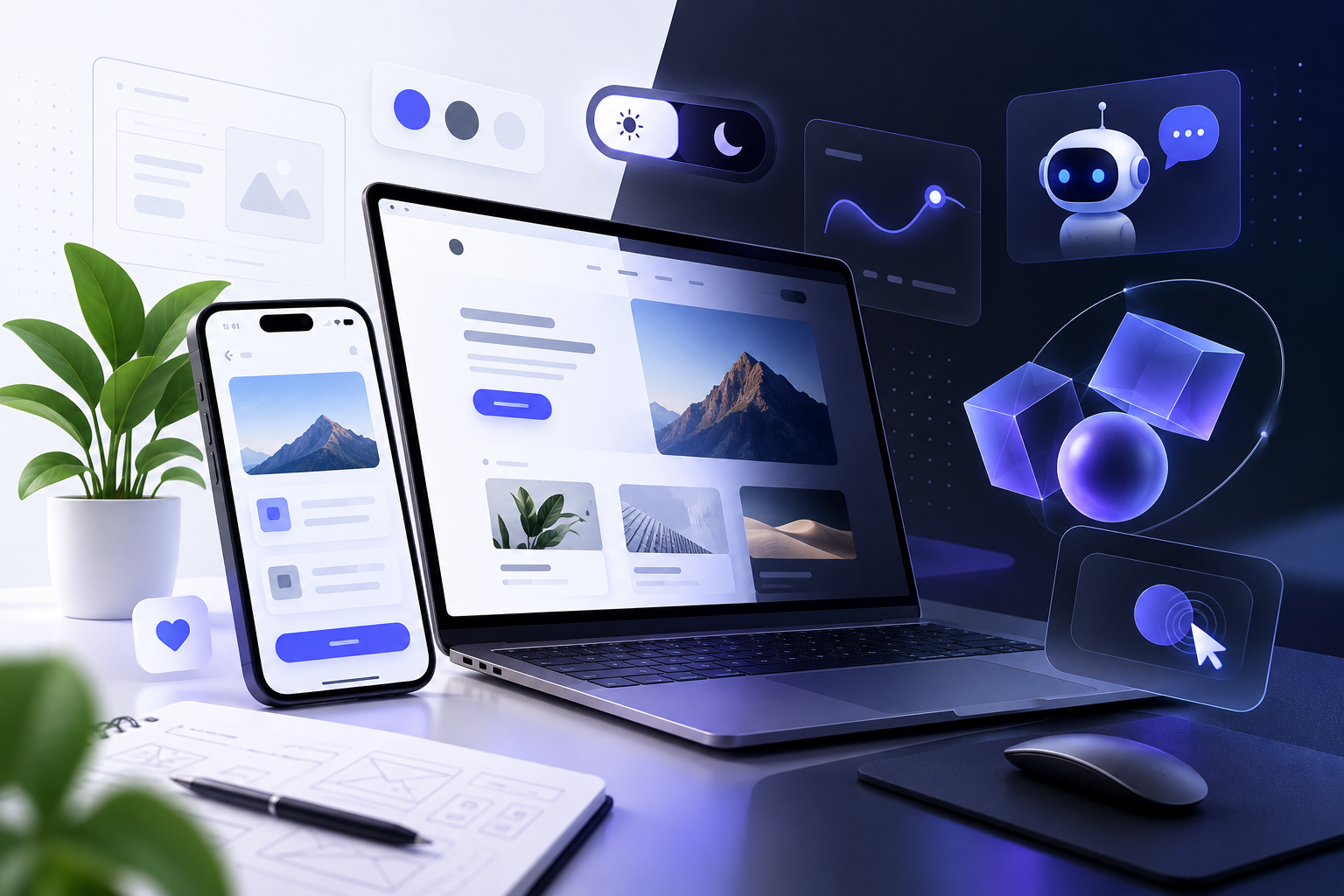
In today’s competitive digital world, User Interface (UI) and User Experience (UX) design play a crucial role in the success of websites and applications. Users no longer just want access to informati
In today’s competitive digital world, User Interface (UI) and User Experience (UX) design play a crucial role in the success of websites and applications. Users no longer just want access to information; they expect a fast, intuitive, visually appealing, and intelligent experience. For this reason, web designers and web development companies must stay updated with the latest UI/UX trends to deliver modern and user?friendly digital products.
In this article, we explore some of the most important UI/UX design trends that are shaping the future of websites and applications.
1. Minimal Design
Minimalism continues to be one of the most important trends in user interface design. In this design style, unnecessary elements are removed so users can focus on the main content without distractions. The use of white space, clear typography, and limited color palettes helps create a clean and professional user experience.
In addition to improving aesthetics, minimal design can also increase page loading speed, which is beneficial for both SEO and user satisfaction.
2. Dark Mode
Dark mode has become extremely popular in recent years. Many users prefer interfaces with darker backgrounds, especially in low?light environments, because they reduce eye strain.
Websites that provide the option to switch between light and dark modes often deliver a better user experience and increase user satisfaction.
3. Micro Interactions
Micro interactions are small animations or responses that occur when a user interacts with a website or application. Examples include a button changing color when clicked or a success message appearing after submitting a form.
These subtle details make the interface feel more responsive and intuitive, improving the overall user experience.
4. Mobile?First Design
Since a large percentage of internet users access websites through mobile devices, Mobile?First design has become a fundamental principle in UI/UX design.
In this approach, designers first create the layout for mobile screens and then expand it for tablets and desktops. This method improves usability and can also positively impact website SEO performance.
5. AI?Powered User Experience
Artificial Intelligence is transforming how users interact with digital products. Recommendation systems, intelligent chatbots, and personalized content experiences are examples of how AI enhances UX design.
These technologies allow platforms to adapt to each user’s behavior and preferences, providing a more personalized experience.
6. 3D Elements and Interactive Design
The use of 3D elements, dynamic visuals, and interactive animations is another growing trend in modern UI design. These elements can capture users’ attention and create a more engaging and memorable experience.
However, they should be used carefully to ensure they do not negatively affect website performance or loading speed.
7. Creative Typography
Typography is no longer just about displaying text; it has become an essential part of visual identity. Using unique fonts, larger headings, and creative text layouts can significantly enhance the attractiveness of a user interface.
Conclusion
UI/UX trends continue to evolve rapidly, and businesses that want to stay competitive in the digital space must pay attention to these changes. Implementing minimal design, dark mode, micro interactions, mobile?first approaches, artificial intelligence, and interactive elements can significantly improve user experience.
By embracing these trends, businesses can create modern, engaging websites that increase user satisfaction and ultimately improve conversion rates.
- Tags:
- Modern Ui Design
- Ux Design Trends
- Dark Mode Design
- Web Design Trends
More Related Articles
Explore more insights on design, development, SEO, and digital products from the Arman Raya team.

How to Create a Website That Reflects Y…
- 26 Oct 2026
- By admin

AI in Web Development: How AI Is Changi…
- 30 Sep 2026
- By Arman Raya
How to Choose the Right Website Feature…
- 21 Sep 2026
- By Arman Raya
Website Maintenance: Why Launching Your…
- 30 Jun 2026
- By Arman Raya

How to Build Customer Trust on Your Web…
- 14 Jun 2026
- By Arman Raya

Why Doesn’t Your Website Generate Sales?
- 28 May 2026
- By Arman Raya

Comprehensive Guide to Designing Educat…
- 26 May 2026
- By Arman Raya
Lawyer Website Design with the Django F…
- 24 May 2026
- By Arman Raya