
Why Website Speed Matters More Than Ever
In today’s digital world, time is the most valuable asset your users have. You’ve probably experienced clicking on a link only to close it immediately because the page took too long to load. You’re not alone—modern users are more impatient than ever. But did you know that website speed affects far more than user satisfaction? It directly influences your rankings, conversions, and even your revenue.
In this article, we’ll explore why website speed has become more critical than ever.
1. Direct impact on bounce rate
Research shows that more than 50% of users leave websites that take longer than 3 seconds to load. In the world of web design, this means losing half of your potential customers before they even see your content.
A slow website increases your bounce rate, a key metric that signals to Google that users are not finding your website helpful or engaging.
2. Speed is a major Google ranking factor
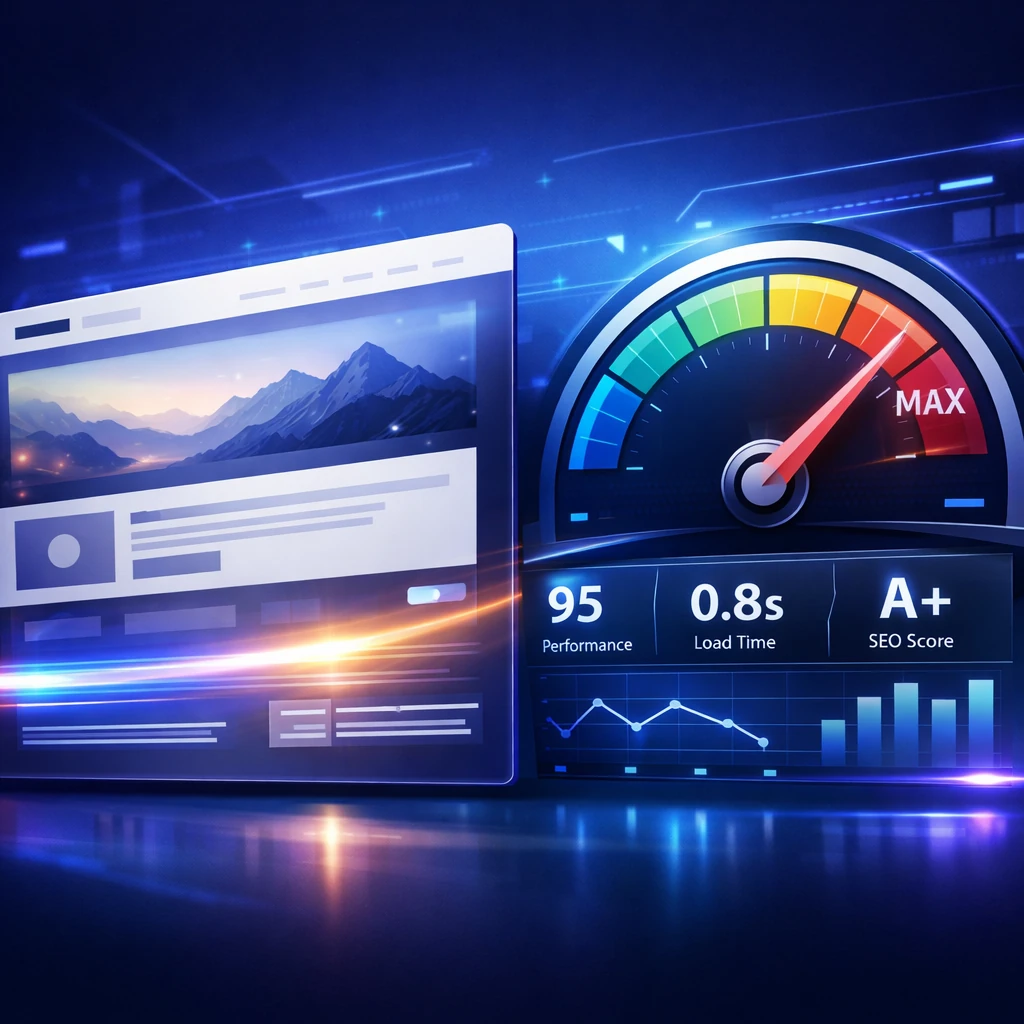
Google has repeatedly confirmed that speed is a ranking signal. With the introduction of Core Web Vitals, Google officially made user experience — including load speed, responsiveness, and visual stability — an essential part of SEO.
Simply put: slow websites have a much lower chance of appearing on the first page of search results.
3. Strong connection between speed and conversion rate
Do you run an online store or offer services? Website speed directly impacts your revenue. Studies by major tech companies show that even a 1-second delay in page load time can lead to a 7% drop in conversions.
The faster your users reach what they’re looking for, the more likely they are to purchase, fill out a form, or complete any desired action.
4. Critical for mobile user experience
Today, the majority of web traffic comes from smartphones. Mobile users often rely on unstable or slower internet connections. A website that isn’t optimized for mobile speed essentially blocks your primary audience from interacting with your content or services.
How to improve your website speed
If your website feels slow, don’t worry. You can dramatically improve performance by following a few essential technical steps:
- Optimize images (use modern formats like WebP)
- Enable caching for faster loading on repeat visits
- Minify unnecessary CSS and JavaScript files
- Choose high‑quality hosting with solid infrastructure
- Use a Content Delivery Network (CDN) to serve content faster globally
Conclusion
Website speed is no longer optional — it’s a fundamental part of online success. A slow site leads to lost customers, decreased trust, and lower Google rankings. If you suspect your site isn’t performing as fast as it should, now is the perfect time to take action.
Is your website fast enough for today’s users?
If you need help analyzing or optimizing your site, our team at [Your Company Name] is ready to boost your website’s performance. Contact us today for a free consultation.