

Essential Steps for Planning a Successful Web Project
Did you know that many websites fail not during development, but during the planning stage? Building a website without a clear strategy is like constructing a house without an architectural blueprint. If you want a website that is not only visually appealing but also capable of achieving your business goals, proper project planning is essential.
In this article, we’ll walk through the most important steps for planning and managing a successful web design project.
1. Define Your Goals and Target Audience
The first and most important step is answering the question: “Why are you building this website?”
Your goals may include:
-
- Selling products online
- Generating leads and customer inquiries
- Building brand credibility
- Showcasing your portfolio or services
At the same time, you should identify your target audience and understand their needs, behaviors, and search intent.
SEO Tip
Understanding your audience helps you discover the keywords they use when searching for services like yours on Google.
2. Conduct Keyword Research and Competitor Analysis
Before designing your website, you need to understand the market landscape.
Analyze your competitors:
- What are they doing well?
- Where are their weaknesses?
- Which keywords are driving traffic to their websites?
Tools such as Google Keyword Planner, Ahrefs, or SEMrush can help you identify valuable keywords related to your industry. These keywords will shape your site structure and content strategy.
3. Create a Sitemap and Wireframe
Now it’s time to organize your website structure.
Sitemap
A sitemap defines the hierarchy of your website pages, such as:
- Home
- About Us
- Services
- Blog
- Contact
It also shows how pages connect with one another.
Wireframe
A wireframe is a simple visual layout that outlines the placement of:
- Buttons
- Images
- Content sections
- Navigation elements
Wireframes focus primarily on user experience (UX) and functionality rather than visual design.
4. Choose the Right Technology and Platform
The technology you choose depends on your project requirements and budget.
Common options include:
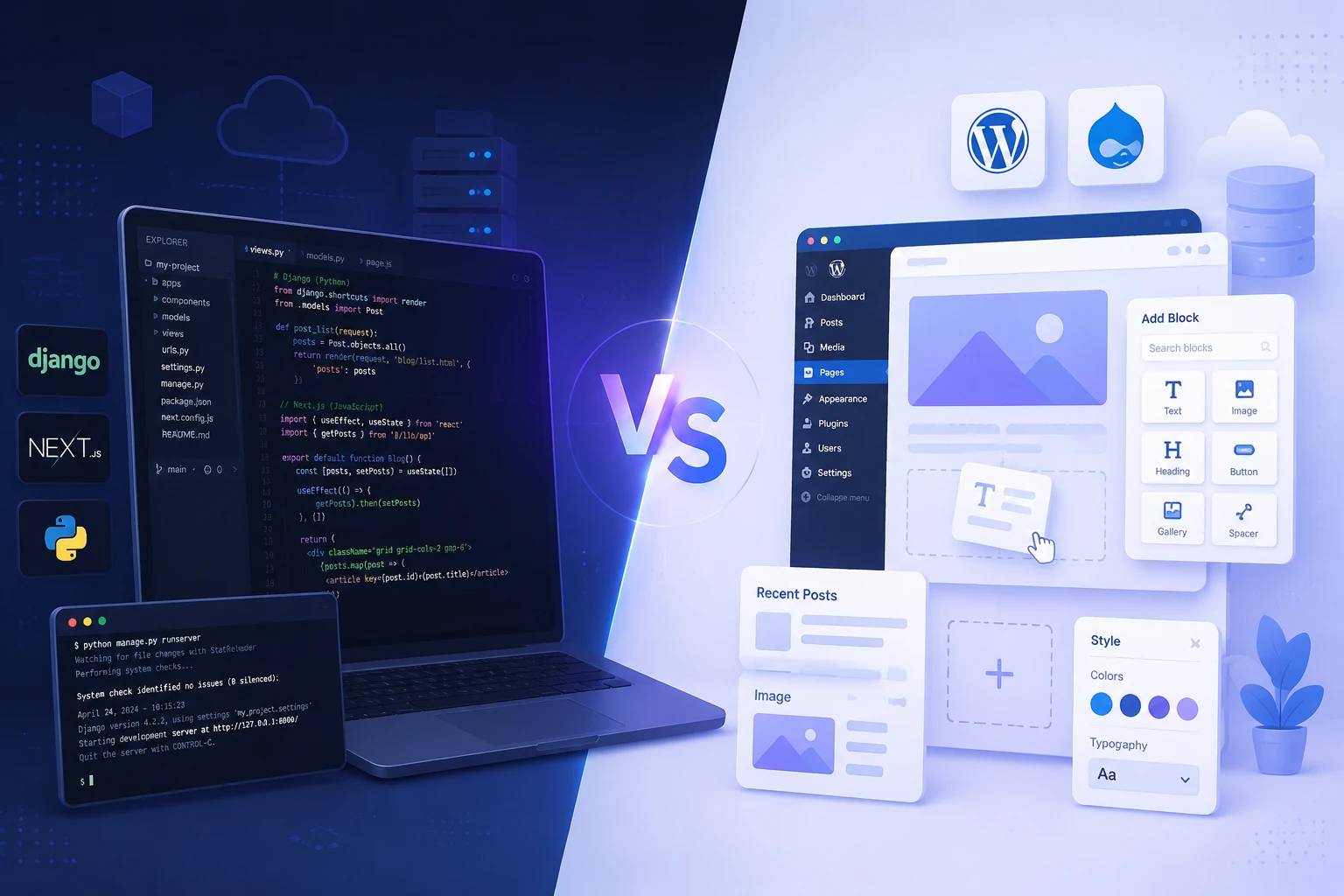
- Content Management Systems (CMS) like WordPress
- Custom development using frameworks such as Laravel, React, or Node.js
- E-commerce platforms like Shopify or WooCommerce
You should also invest in reliable hosting and a professional domain name, as website speed and performance directly impact SEO rankings.
5. Develop a Content Strategy
Content is one of the most important parts of a successful website.
Before launch, prepare:
- High-quality page content
- Blog articles
- Professional images and videos
- Calls-to-action (CTAs)
Your content should be informative, engaging, and optimized for both users and search engines.
6. Design the User Interface (UI) and User Experience (UX)
At this stage, designers create the visual appearance of the website, including:
- Colors
- Typography
- Icons
- Layout styles
A professional website should also be fully responsive, meaning it works seamlessly across desktops, tablets, and mobile devices.
Important SEO Note
Google prioritizes mobile-friendly websites in search rankings.
7. Website Development and Coding
During development, the design is transformed into a functional website.
Key priorities include:
- Clean and optimized code
- Fast loading speed
- Image optimization
- Security implementation
- SEO-friendly structure
A poorly coded website can negatively affect performance, user experience, and search engine visibility.
8. Testing, Review, and Website Launch
Before launching your website, perform comprehensive testing to ensure everything works correctly.
This includes:
- Checking for broken links
- Testing forms and checkout processes
- Reviewing responsiveness on all devices
- Testing compatibility across browsers
- Measuring website speed using tools like GTmetrix or PageSpeed Insights
Launching without testing can lead to usability issues and lost customers.
Conclusion
Careful planning is the foundation of every successful web project. By following these eight essential steps, you can reduce risks, improve efficiency, and create a professional website that supports your business growth and SEO performance.
Whether you are building a corporate website, an online store, or a personal brand platform, strategic planning will save time, reduce costs, and deliver better results in the long run.
Ready to start your web project?
A well-planned website can become one of your most valuable business assets.