
On-Page SEO vs. Off-Page SEO: What’s the Difference?
- 21 May 2026
- By Arman Raya
In the world of web development—especially when building robust platforms with the Django framework—having a fast and secure website is only half the battle. The other half is ensuring your site is di
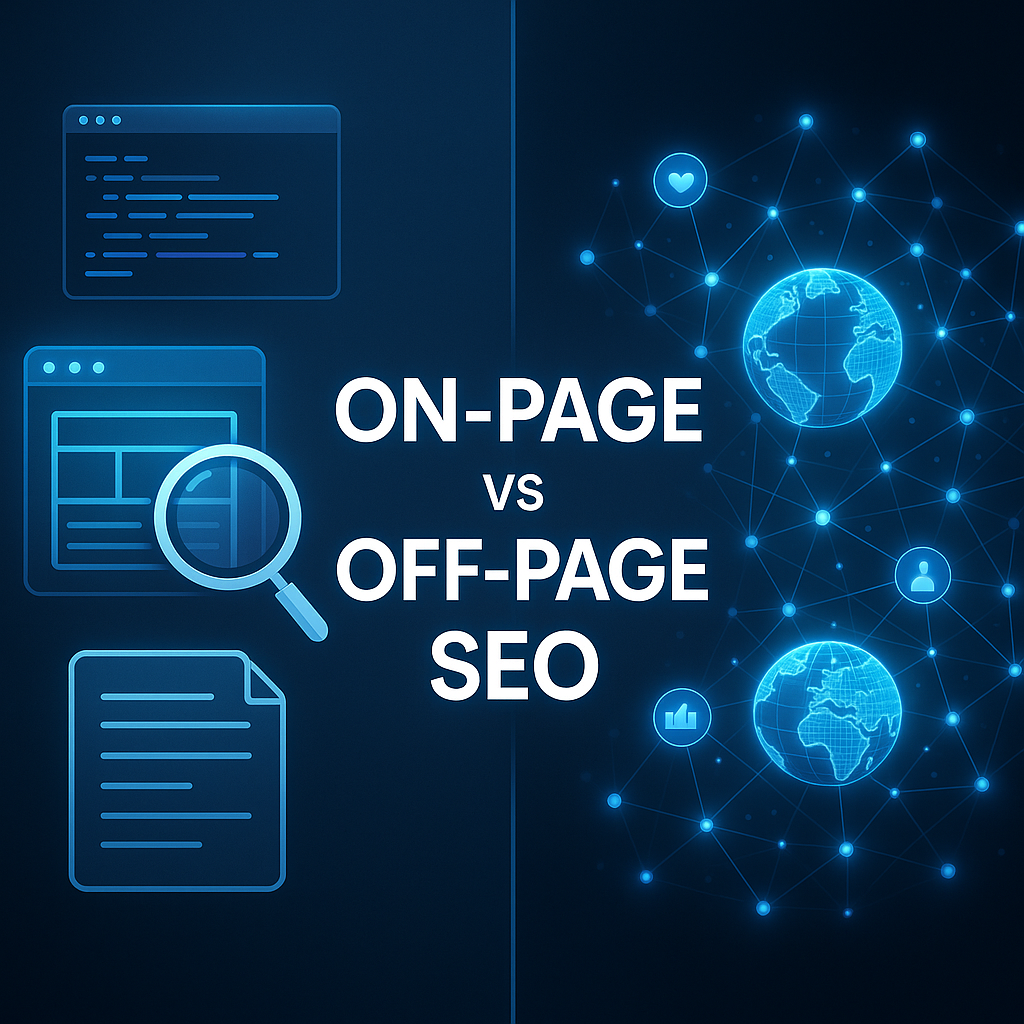
In the world of web development—especially when building robust platforms with the Django framework—having a fast and secure website is only half the battle. The other half is ensuring your site is discoverable by users through search engines. In this article, we will break down the fundamental differences between On-Page SEO and Off-Page SEO.
What is On-Page SEO?
On-Page SEO refers to all the actions taken directly within your website to improve its search engine ranking. When you develop a site using Django, you have complete control over your code, URL structures, and content. Optimizing title tags, meta descriptions, using the correct heading tags (H1-H6), and image optimization are all core components of On-Page SEO.
The Importance of On-Page SEO in Django-Based Sites
Django’s highly organized architecture provides excellent potential for implementing powerful On-Page SEO. Here, you should focus on User Experience (UX) and site loading speed. Leveraging Django’s caching framework, optimizing database queries, and writing clean, efficient code directly impact your On-Page performance. Google favors websites that provide a superior user experience.
What is Off-Page SEO?
Off-Page SEO encompasses all activities conducted outside of your website to increase its authority and reputation in the eyes of search engines. The most critical element of Off-Page SEO is acquiring backlinks from other reputable websites. These backlinks serve as “votes of confidence” for your site. Social media marketing, participating in programming forums, and online branding are all part of this category.
Key Difference: Structure vs. Authority
The primary difference lies in their focus: On-Page SEO centers on your website’s content and infrastructure, while Off-Page SEO focuses on your site’s authority and popularity. You cannot achieve sustainable success solely through backlinks (Off-Page) if your website’s internal structure (On-Page) is poorly optimized. Think of it this way: On-Page SEO prepares the foundation, and Off-Page SEO adds the power.
Conclusion for Developers and Site Owners
If you have built your website with Django, start by prioritizing On-Page SEO to ensure search engine crawlers can easily index and understand your content. Once your site meets technical standards, implement Off-Page SEO strategies to increase your domain authority. Balancing both is the ultimate key to reaching the first page of search results.
- Tags:
- Django
- Seo
- Web Development
- Digital Marketing
More Related Articles
Explore more insights on design, development, SEO, and digital products from the Arman Raya team.

AI in Web Development: How AI Is Changi…
- 30 Sep 2026
- By Arman Raya

How to Choose the Right Website Feature…
- 21 Sep 2026
- By Arman Raya
Website Maintenance: Why Launching Your…
- 30 Jun 2026
- By Arman Raya

How to Build Customer Trust on Your Web…
- 14 Jun 2026
- By Arman Raya

Why Doesn’t Your Website Generate Sales?
- 28 May 2026
- By Arman Raya

Comprehensive Guide to Designing Educat…
- 26 May 2026
- By Arman Raya

Lawyer Website Design with the Django F…
- 24 May 2026
- By Arman Raya

Restaurant Website Design and Online Me…
- 20 May 2026
- By Arman Raya